

Hey there! As a supplier of modular cutting tools, I often get asked if these tools are suitable for high - precision milling. Well, let's dive right into it and explore this topic in detail.

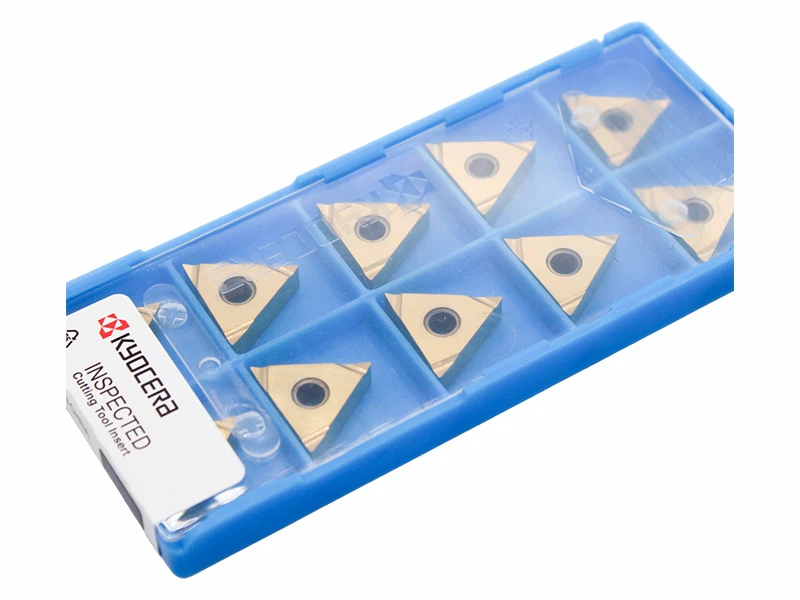
First off, let's understand what modular cutting tools are. Modular cutting tools are a type of cutting tool system that consists of multiple components. These components can be easily assembled and disassembled, allowing for flexibility in tool configuration. This modular design means that you can customize the tool according to your specific machining requirements.
Now, when it comes to high - precision milling, there are a few key factors we need to consider. Precision in milling depends on things like accuracy of the cutting edge, stability of the tool, and the ability to maintain consistent performance over time.
One of the big advantages of modular cutting tools in high - precision milling is their flexibility. You can mix and match different cutting heads, shanks, and adapters to create a tool that's tailored to your exact needs. For example, if you're working on a complex part with different features, you can quickly change the cutting head to switch between roughing and finishing operations. This saves a lot of time and also ensures that you're using the right tool for each specific task.
Another great thing about modular cutting tools is their accuracy. High - quality modular cutting tools are manufactured with tight tolerances. The cutting edges are precisely ground, which means they can produce very accurate cuts. This is crucial for high - precision milling, where even the slightest deviation can lead to parts being out of spec.
Let's talk about stability. In high - precision milling, tool stability is essential. A wobbly or unstable tool can cause poor surface finishes and inaccurate dimensions. Modular cutting tools are designed to be rigid. The connection between the different components is strong, which helps to minimize vibrations during the cutting process. This results in a more stable cutting operation and better overall precision.
Now, let's look at some specific types of modular cutting tools that are commonly used in high - precision milling.
Shank Planing Tools are a great option. These tools are designed for planing operations, which are often required in high - precision milling. They have a sharp cutting edge that can remove material smoothly and accurately. The modular design allows you to easily replace the cutting inserts when they wear out, which helps to maintain the tool's accuracy over time.
Thread Turning Tools are also important in high - precision milling, especially when you need to create threads on a part. These tools are precision - engineered to cut threads with the right pitch and depth. The modular nature of these tools means that you can adjust the tool according to the specific thread requirements of your part.
PCD Tools are another type of modular cutting tool that is well - suited for high - precision milling. PCD (Polycrystalline Diamond) is an extremely hard material, which makes these tools very durable and able to produce high - quality cuts. They are often used for machining materials like aluminum, brass, and composites, where a high level of precision is required.
However, it's not all sunshine and rainbows. There are a few potential drawbacks to using modular cutting tools in high - precision milling. One issue is the initial cost. Modular cutting tool systems can be more expensive than traditional single - piece cutting tools. This is because you're paying for the flexibility and the high - quality components. But, if you consider the long - term benefits, such as the ability to reuse components and the improved precision, the investment can be well worth it.
Another thing to keep in mind is the complexity of assembly. Since modular cutting tools consist of multiple parts, there's a bit of a learning curve when it comes to assembling them correctly. If the tool is not assembled properly, it can affect the accuracy and performance of the tool. But, with a bit of training and practice, this can be easily overcome.
In conclusion, modular cutting tools are definitely suitable for high - precision milling. Their flexibility, accuracy, and stability make them a great choice for a wide range of high - precision milling applications. Whether you're working on small, intricate parts or large, complex components, modular cutting tools can help you achieve the level of precision you need.
If you're in the market for modular cutting tools for your high - precision milling operations, I'd love to chat with you. We have a wide range of high - quality modular cutting tools that are designed to meet the most demanding precision requirements. Don't hesitate to reach out and start a conversation about your specific needs. We can work together to find the perfect tool solutions for your business.
References
- "Cutting Tool Engineering Handbook", Industrial Press Inc.
- "Modern Machining Technology", Society of Manufacturing Engineers