

Hey there! I'm a supplier of Indexable Tools, and I often get asked this question: Can indexable tools be used in small - scale workshops? Well, let's dig into this topic and find out.
What are Indexable Tools?
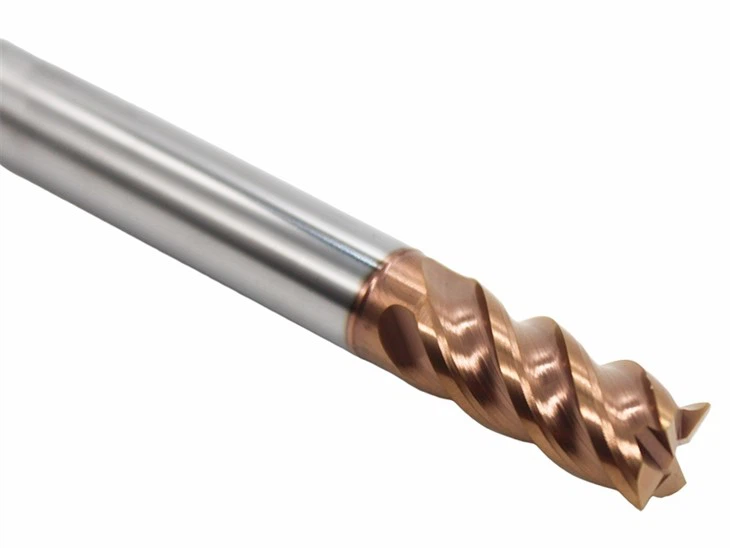
First off, let's quickly go over what indexable tools are. Indexable tools are cutting tools that have replaceable cutting tips. Instead of having to re - sharpen the entire tool when the cutting edge gets dull, you can simply rotate or replace the tip. This saves a lot of time and money in the long run. There are various types of indexable tools, like Forming End Mills and Gear Milling Cutter, each designed for specific machining tasks.
Advantages for Small - Scale Workshops
Cost - Effectiveness
One of the biggest perks of indexable tools for small - scale workshops is cost - effectiveness. In a small shop, every penny counts. Buying a high - quality indexable tool might seem like a big upfront investment, but think about the long - term savings. When the cutting edge wears out, you don't have to buy a whole new tool. You just swap out the tip. This means you're not constantly shelling out for new tools, which can really add up over time.
Time - Saving
Time is money, especially in a small - scale workshop where you're often juggling multiple projects at once. Indexable tools save a ton of time. Sharpening traditional cutting tools can be a time - consuming process that requires special skills and equipment. With indexable tools, you can change the tip in a matter of minutes. This allows you to get back to work quickly and increase your overall productivity.
Versatility
Small - scale workshops usually need to handle a variety of jobs. Indexable tools offer great versatility. You can use different types of tips with the same tool body, which means you can perform multiple machining operations with just one tool. For example, a single indexable milling cutter can be used for roughing and finishing operations by simply changing the tip. This reduces the need to have a large inventory of different tools, saving both space and money.
Challenges in Small - Scale Workshops
Initial Investment
As I mentioned earlier, the upfront cost of indexable tools can be a bit high. For small - scale workshops that are on a tight budget, this can be a significant barrier. It might seem easier to go for cheaper, traditional cutting tools. However, it's important to look at the long - term benefits. If you do the math, you'll find that indexable tools can actually save you money in the long run.
Training Requirements
Using indexable tools requires some training. Operators need to know how to properly install and index the tips, as well as how to select the right tip for the job. In a small - scale workshop, where there might not be a dedicated training department, this can be a challenge. But don't worry, most tool suppliers, including me, offer training and support to help you get up to speed.

Tool Selection
With so many types of indexable tools and tips available, choosing the right one for your specific job can be confusing. In a small - scale workshop, you might not have the resources to conduct extensive research or testing. But again, as a supplier, I can help you with tool selection. I have the knowledge and experience to recommend the best tools for your needs.

Real - World Examples
Let's take a look at some real - world examples of small - scale workshops that have successfully used indexable tools. There's a small custom - part manufacturing shop that was struggling with high tool costs and long setup times. They decided to switch to indexable tools, specifically Forming End Mills. After the switch, they noticed a significant reduction in tool costs. They were able to replace the worn - out tips instead of buying new tools, which saved them a lot of money. Also, the setup times were reduced because changing the tips was much faster than sharpening traditional end mills. As a result, their productivity increased, and they were able to take on more jobs.
Another example is a small gear - manufacturing workshop. They started using Gear Milling Cutter indexable tools. The versatility of these tools allowed them to mill different types of gears with just one tool body. They no longer had to stock a large number of different gear - milling cutters, which saved them storage space and reduced their inventory costs.
Making the Decision
So, can indexable tools be used in small - scale workshops? The answer is a resounding yes! While there are some challenges, the benefits far outweigh them. If you're running a small - scale workshop and are still on the fence about using indexable tools, here are some things to consider.
Think about your budget. If you can afford the initial investment, the long - term savings will make it worth it. Consider your workforce. If you're willing to invest in some training, your operators will be able to use indexable tools effectively. And don't forget about the type of work you do. If you need to handle a variety of jobs, the versatility of indexable tools will be a huge advantage.
As a supplier of Indexable Tools, I'm here to help you make the transition. I can provide you with the right tools, offer training and support, and help you select the best tools for your specific needs. If you're interested in learning more about how indexable tools can benefit your small - scale workshop, or if you're ready to start using them, don't hesitate to reach out. Let's have a chat and see how we can work together to improve your workshop's efficiency and profitability.
References
- "Cutting Tool Technology" by Neil J. Badger
- "Machining Fundamentals" by John T. Black
- Industry reports on cutting tool usage in small - scale workshops.