

Yo, all you manufacturing whizzes out there! As a supplier of Indexable Tools, I get this question a bazillion times: "Do indexable tools require special handling?" Well, let's dive right into it and break it down piece by piece.
First off, what are indexable tools anyway? These bad boys are cutting tools with replaceable inserts. Instead of sharpening the whole tool when it gets dull, you just rotate or replace the insert. It's like changing the battery in your phone when it runs out instead of buying a whole new phone. Cool, right?
Now, to answer the big question: Do they need special handling? The short answer is yes, but it's not as complicated as you might think.
Why Indexable Tools Need Special Handling
Let's start with the inserts. These are super precise and made from super - hard materials like carbide or ceramics. They're designed to give you a sharp and consistent cut, but they're also pretty delicate.
One of the reasons for special handling is to prevent chipping. If you drop an indexable insert or knock it against a hard surface, even a small chip can mess up your whole cutting operation. You'll end up with a poor - quality finish on your workpiece, and you might even have to scrap the part. And nobody wants that, right?
Another reason is to keep the inserts clean. Grease, oil, and dirt can interfere with how well the insert cuts. They can also cause uneven wear, which means you'll have to replace the insert more often. Plus, a dirty insert can affect the accuracy of your cuts. So, it's important to handle them with clean hands and store them in a clean environment.
Storage
When it comes to storing indexable tools, you can't just toss them in a drawer and call it a day. You need to keep them in a proper storage system. A lot of suppliers, including us, offer special cases and holders for the inserts. These cases are designed to protect the inserts from damage and keep them organized.
You should also store your indexable tools in a dry place. Moisture can cause corrosion, especially on the metal parts of the tool. Corrosion can weaken the tool and make it less effective. So, if you have a humid workshop, consider using a dehumidifier or storing your tools in a sealed container with some desiccant packs.
Installation
Installing indexable inserts is a bit of a science. You need to make sure the insert is properly seated in the toolholder. If it's not, it can cause vibrations during cutting, which will not only affect the quality of your cuts but also increase the wear on the insert.

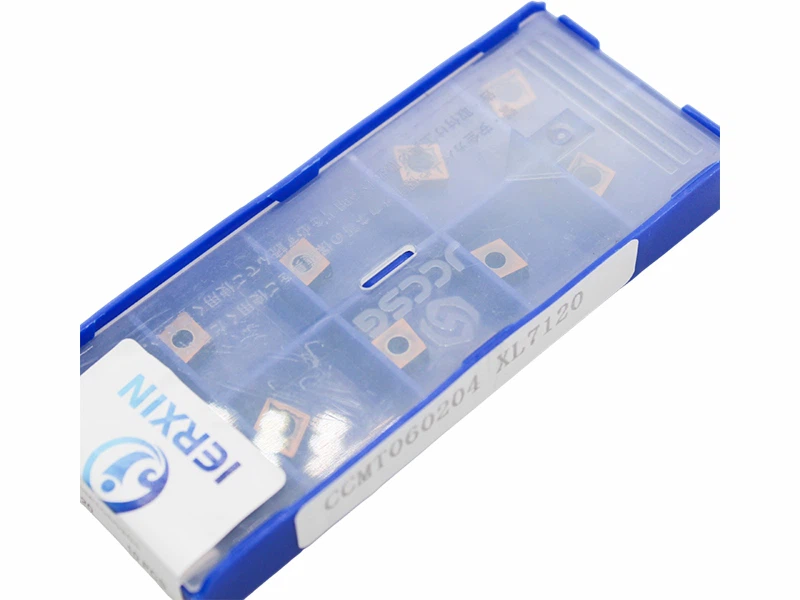
Before you install the insert, clean both the insert and the toolholder. Use a clean, lint - free cloth to wipe away any dirt or debris. Then, carefully place the insert in the toolholder, making sure it fits snugly. You might need to use a special tool to tighten the clamping mechanism, but be careful not to overtighten. Overtightening can cause the insert to crack.
Cutting Operations
During cutting operations, you need to pay attention to the cutting parameters. Indexable tools are designed to work within a certain range of speeds, feeds, and depths of cut. If you go outside of these parameters, you can cause premature wear on the insert, chipping, or even breakage.
For example, if you cut too fast, the insert can overheat. Overheating can cause the material of the insert to break down, reducing its lifespan. On the other hand, if you cut too slowly, you're not using the tool to its full potential, and you'll end up with a longer machining time.
Also, make sure to use the right coolant. Coolant helps to keep the tool and the workpiece cool during cutting. It also flushes away chips, which can prevent them from getting caught between the insert and the workpiece and causing damage.
Types of Indexable Tools and Handling Considerations
There are different types of indexable tools, each with its own handling quirks. Take Cylindrical Turning Tools for example. These are used for turning cylindrical parts. They need to be aligned properly with the workpiece to ensure a straight and accurate cut. If they're not aligned correctly, you'll end up with a tapered part or uneven surface finish.
When it comes to Single Tooth Cutting Tools, they're often used for precision cutting. The single tooth is very sharp and can be easily damaged. You need to handle them with extra care during installation and use. Make sure the cutting edge is clean and free of any burrs before you start cutting.
Benefits of Proper Handling
If you handle your indexable tools properly, you'll get a bunch of benefits. First of all, you'll extend the lifespan of your inserts. This means you'll save money in the long run because you won't have to replace them as often.
Proper handling also leads to better - quality cuts. Your workpieces will have a smoother finish, and you'll have fewer rejects. This is especially important if you're working on high - precision parts.
And let's not forget about productivity. When your indexable tools are working at their best, you can cut faster and more efficiently. You'll be able to get more parts out the door in less time, which is great for your bottom line.
Concluding Thoughts and a Call to Action
So, there you have it. Indexable tools do require special handling, but it's really not that hard. By following a few simple guidelines for storage, installation, and cutting operations, you can get the most out of your indexable tools.
If you're in the market for high - quality indexable tools, we're here to help. We've got a wide range of options to suit your specific needs. Whether you're looking for cylindrical turning tools or single - tooth cutting tools, we've got you covered.
If you have any questions or want to discuss your tooling requirements, don't hesitate to reach out. We're always happy to have a chat and help you find the best solutions for your manufacturing processes. Let's work together to take your machining to the next level!
References
- "Cutting Tool Technology" by John A. Schey
- "Manufacturing Engineering and Technology" by Serope Kalpakjian and Steven R. Schmid