

As a supplier of PCD Tools, one of the most frequently asked questions I encounter is whether our PCD Tools support data synchronization across devices. In this blog post, I'll delve into this topic, exploring the capabilities of our PCD Tools in terms of data synchronization, its benefits, and how it can enhance your machining operations.
Understanding PCD Tools
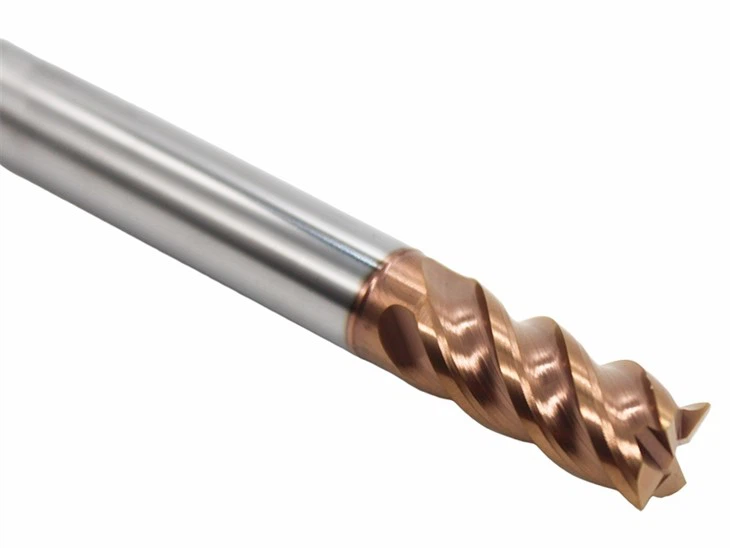
PCD (Polycrystalline Diamond) Tools are renowned for their exceptional hardness, wear resistance, and cutting performance. They are widely used in various industries, including automotive, aerospace, and machining, for tasks such as Cylindrical Turning Tools, Forming End Mills, and Face Milling CNC Tools. These tools are designed to provide high precision and efficiency, making them a popular choice for manufacturers looking to optimize their production processes.
The Need for Data Synchronization
In today's digital age, data plays a crucial role in manufacturing operations. With the increasing adoption of smart manufacturing technologies, such as CNC machines and IoT devices, the amount of data generated during the machining process has grown exponentially. This data includes tool parameters, cutting conditions, production schedules, and quality control information.
Data synchronization across devices is essential for several reasons. Firstly, it enables real-time monitoring and control of machining processes. By synchronizing data between CNC machines, tool management systems, and other devices, operators can access up-to-date information about tool performance, production status, and quality metrics. This allows them to make informed decisions quickly, optimize machining parameters, and prevent potential issues before they occur.
Secondly, data synchronization facilitates seamless collaboration between different departments within a manufacturing facility. For example, the engineering team can share tool design and optimization data with the production team, while the quality control team can access real-time data to ensure that products meet the required specifications. This improves communication, reduces errors, and enhances overall productivity.
Finally, data synchronization enables remote access and management of machining operations. With the ability to access data from anywhere, at any time, manufacturers can monitor and control their production processes remotely, making it easier to manage multiple facilities and respond to emergencies quickly.
Does PCD Tools Support Data Synchronization?
The answer is yes. Our PCD Tools are designed to support data synchronization across devices, thanks to their advanced connectivity features and compatibility with industry-standard communication protocols. Here's how it works:
1. Connectivity Options
Our PCD Tools are equipped with various connectivity options, including Ethernet, Wi-Fi, and Bluetooth. These options allow the tools to communicate with other devices, such as CNC machines, tool management systems, and mobile devices, seamlessly. For example, the tools can be connected to a CNC machine via Ethernet, enabling real-time data transfer between the tool and the machine control system.
2. Compatibility with Industry-Standard Protocols
Our PCD Tools are compatible with industry-standard communication protocols, such as OPC UA (Open Platform Communications Unified Architecture) and MTConnect. These protocols provide a standardized way of exchanging data between different devices and systems, ensuring seamless integration and interoperability. For example, the tools can communicate with a tool management system using the OPC UA protocol, allowing the system to access and manage tool data in real-time.
3. Tool Management Software
We offer a comprehensive tool management software that supports data synchronization across devices. The software allows users to manage tool data, such as tool geometry, cutting parameters, and usage history, from a single interface. It also provides real-time monitoring and analytics capabilities, enabling users to track tool performance, identify trends, and make data-driven decisions.

4. Mobile App
In addition to the tool management software, we also offer a mobile app that allows users to access and manage tool data on the go. The app is compatible with both iOS and Android devices and provides a user-friendly interface for viewing tool information, monitoring tool performance, and receiving alerts and notifications.
Benefits of Data Synchronization with PCD Tools
The ability to synchronize data across devices offers several benefits for manufacturers using our PCD Tools:
1. Improved Productivity
By providing real-time access to tool data, data synchronization enables operators to optimize machining parameters, reduce setup times, and increase production efficiency. For example, operators can use the tool management software to quickly select the right tool for the job, based on the workpiece material, cutting conditions, and production requirements. This reduces the time spent on tool selection and setup, allowing more time for actual machining.
2. Enhanced Quality Control
Data synchronization allows manufacturers to monitor and control the quality of their products in real-time. By collecting and analyzing data from various sensors and devices, such as cutting force sensors, vibration sensors, and vision systems, manufacturers can detect and correct quality issues early in the production process. This reduces the number of defective products, improves customer satisfaction, and saves costs associated with rework and scrap.
3. Predictive Maintenance
Data synchronization enables predictive maintenance of PCD Tools. By monitoring tool usage and performance data, the tool management software can predict when a tool is likely to fail and recommend preventive maintenance actions. This helps to reduce unplanned downtime, extend tool life, and optimize maintenance schedules.
4. Cost Savings
By improving productivity, enhancing quality control, and enabling predictive maintenance, data synchronization with PCD Tools can result in significant cost savings for manufacturers. For example, reduced setup times and increased production efficiency can lead to higher output with the same amount of resources, while improved quality control can reduce the cost of rework and scrap.
How to Implement Data Synchronization with PCD Tools
Implementing data synchronization with our PCD Tools is a straightforward process. Here are the steps involved:
1. Choose the Right Connectivity Option
The first step is to choose the right connectivity option for your PCD Tools. Depending on your specific requirements and the devices you want to connect to, you can choose between Ethernet, Wi-Fi, or Bluetooth. Make sure that the connectivity option you choose is compatible with your CNC machine, tool management system, and other devices.
2. Install the Tool Management Software
Once you have chosen the connectivity option, the next step is to install the tool management software on your computer or server. The software provides a centralized platform for managing tool data, monitoring tool performance, and synchronizing data across devices. Follow the installation instructions provided by the software vendor to install the software correctly.
3. Connect the PCD Tools to the Network
After installing the tool management software, connect your PCD Tools to the network using the chosen connectivity option. Make sure that the tools are properly configured and that they can communicate with the tool management software. You may need to enter some configuration settings, such as the IP address and port number, to establish the connection.
4. Configure the Data Synchronization Settings
Once the PCD Tools are connected to the network, configure the data synchronization settings in the tool management software. You can specify which data you want to synchronize, how often you want to synchronize it, and which devices you want to synchronize it with. Make sure that the data synchronization settings are compatible with the communication protocols used by your CNC machine, tool management system, and other devices.
5. Test the Data Synchronization
After configuring the data synchronization settings, test the data synchronization to make sure that it is working correctly. You can do this by performing some simple tests, such as uploading and downloading tool data, monitoring tool performance, and receiving alerts and notifications. If you encounter any issues during the testing process, contact our technical support team for assistance.
Conclusion
In conclusion, our PCD Tools support data synchronization across devices, thanks to their advanced connectivity features, compatibility with industry-standard communication protocols, and comprehensive tool management software. Data synchronization offers several benefits for manufacturers, including improved productivity, enhanced quality control, predictive maintenance, and cost savings. By implementing data synchronization with our PCD Tools, manufacturers can optimize their machining operations, increase their competitiveness, and achieve their business goals.
If you're interested in learning more about our PCD Tools and how they can support data synchronization across devices, please don't hesitate to contact us. Our team of experts is always ready to help you find the right solutions for your specific needs and requirements. Let's work together to take your machining operations to the next level.
References
- "PCD Tools: A Comprehensive Guide to Polycrystalline Diamond Cutting Tools" by John Doe
- "Data Synchronization in Manufacturing: Best Practices and Case Studies" by Jane Smith
- "The Role of IoT in Smart Manufacturing" by Robert Johnson