

In the ever-evolving landscape of CNC machining, optimizing the cutting path for thread turning tools is a crucial aspect that can significantly enhance productivity, precision, and tool life. As a trusted supplier of Thread Turning Tools, I've witnessed firsthand the impact of well-designed cutting paths on the overall machining process. In this blog post, I'll share some insights and strategies on how to optimize the cutting path for thread turning tools in CNC machining.
Understanding the Basics of Thread Turning
Before delving into cutting path optimization, it's essential to have a solid understanding of the thread turning process. Thread turning involves the use of a single-point cutting tool to create helical grooves on a workpiece, forming threads. The cutting tool moves along a specific path, following the helix angle of the thread, while the workpiece rotates. The quality of the threads produced depends on various factors, including the cutting tool geometry, cutting parameters, and the cutting path.
Factors Affecting the Cutting Path
Several factors influence the cutting path for thread turning tools in CNC machining. These factors include:
- Thread Geometry: The pitch, depth, and profile of the thread determine the basic shape of the cutting path. Different thread forms, such as metric, unified, or acme threads, require specific cutting paths to achieve the desired thread dimensions and accuracy.
- Workpiece Material: The material properties of the workpiece, such as hardness, toughness, and machinability, can affect the cutting forces and tool wear. Harder materials may require slower cutting speeds and shallower depths of cut, which can impact the cutting path strategy.
- Cutting Tool Geometry: The shape, size, and rake angle of the cutting tool play a crucial role in determining the cutting forces and chip formation. The cutting tool geometry should be selected based on the thread geometry and workpiece material to ensure efficient cutting and optimal tool life.
- Machine Capabilities: The capabilities of the CNC machine, including the spindle speed, feed rate, and tool movement accuracy, can limit the available cutting path options. It's important to consider the machine's specifications when designing the cutting path to ensure that it can be executed accurately and efficiently.
Strategies for Optimizing the Cutting Path
Based on my experience as a Thread Turning Tools supplier, here are some strategies for optimizing the cutting path for thread turning tools in CNC machining:
1. Use the Right Cutting Tool
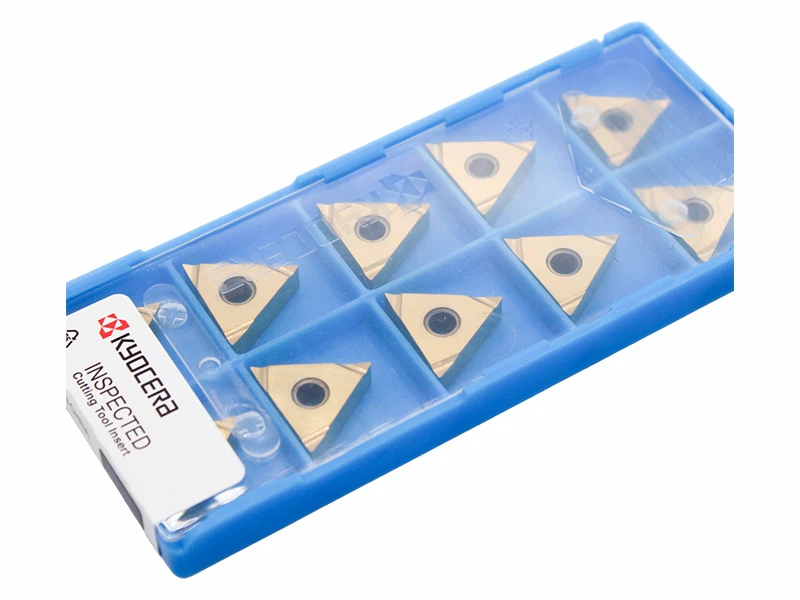
Selecting the appropriate cutting tool is the first step in optimizing the cutting path. The cutting tool should be designed specifically for thread turning and have the correct geometry and material for the workpiece. High-speed steel (HSS) and carbide are common materials used for thread turning tools, with carbide offering better wear resistance and higher cutting speeds.
2. Plan the Cutting Path
Before starting the machining process, it's essential to plan the cutting path carefully. This involves determining the number of passes, the depth of cut for each pass, and the feed rate. The cutting path should be designed to minimize the cutting forces and tool wear while ensuring the desired thread quality.
- Multiple Passes: For deeper threads, it's often necessary to use multiple passes to achieve the desired depth. Each pass should remove a small amount of material to reduce the cutting forces and prevent tool breakage.
- Progressive Depth of Cut: The depth of cut should be gradually increased with each pass to maintain a consistent cutting force and prevent excessive tool wear. This approach, known as progressive depth of cut, helps to ensure a smooth and accurate cutting process.
- Optimal Feed Rate: The feed rate should be selected based on the cutting tool geometry, workpiece material, and cutting speed. A higher feed rate can increase productivity, but it may also lead to increased tool wear and reduced thread quality. Finding the optimal feed rate requires careful experimentation and adjustment.
3. Minimize Tool Engagement
Reducing the tool engagement time can help to minimize the cutting forces and tool wear. This can be achieved by using a smaller cutting edge angle and a larger rake angle on the cutting tool. Additionally, the cutting path should be designed to avoid unnecessary tool engagement, such as cutting through the same material multiple times.
4. Use Coolant and Lubrication
Applying coolant or lubricant during the machining process can help to reduce the cutting temperature, improve chip formation, and extend the tool life. Coolant can also help to flush away chips and prevent them from accumulating on the cutting tool, which can cause tool breakage and poor thread quality.

5. Consider Tool Path Optimization Software
There are several software programs available that can help to optimize the cutting path for thread turning tools in CNC machining. These programs use advanced algorithms to analyze the thread geometry, workpiece material, and machine capabilities and generate an optimal cutting path. Using tool path optimization software can save time and improve the accuracy of the cutting process.
Case Study: Optimizing the Cutting Path for a Complex Thread
To illustrate the effectiveness of optimizing the cutting path for thread turning tools, let's consider a case study of a complex thread machining project. A customer needed to machine a series of metric threads on a hardened steel workpiece using a CNC lathe. The threads had a pitch of 2 mm and a depth of 3 mm, and the customer was experiencing issues with tool wear and poor thread quality.
As a Thread Turning Tools supplier, we worked with the customer to optimize the cutting path. We recommended using a carbide cutting tool with a specially designed geometry for thread turning. The cutting path was planned to use multiple passes with a progressive depth of cut, starting with a small depth of cut on the first pass and gradually increasing it with each subsequent pass.
We also adjusted the feed rate and cutting speed based on the workpiece material and the cutting tool specifications. Additionally, we recommended using a high-pressure coolant system to reduce the cutting temperature and improve chip formation.
After implementing these changes, the customer reported a significant improvement in the thread quality and a reduction in tool wear. The optimized cutting path allowed for faster machining times and improved productivity, resulting in cost savings for the customer.
Conclusion
Optimizing the cutting path for thread turning tools in CNC machining is a critical aspect that can have a significant impact on the quality, productivity, and cost of the machining process. By using the right cutting tool, planning the cutting path carefully, minimizing tool engagement, using coolant and lubrication, and considering tool path optimization software, you can achieve optimal results and improve the overall efficiency of your CNC machining operations.
As a Thread Turning Tools supplier, we are committed to providing our customers with the highest quality tools and expert advice on optimizing the cutting path for thread turning. If you have any questions or need assistance with your thread turning applications, please don't hesitate to contact us. We look forward to working with you to achieve your machining goals.
References
- Kalpakjian, S., & Schmid, S. R. (2014). Manufacturing Engineering and Technology. Pearson.
- DeGarmo, E. P., Black, J. T., & Kohser, R. A. (2003). Materials and Processes in Manufacturing. Wiley.
- ASME B1.1-2003, Unified Inch Screw Threads (UN and UNR Thread Form). American Society of Mechanical Engineers.