

Lathes are fundamental machines in the manufacturing industry, playing a crucial role in shaping and machining various materials. As a lathe supplier, I've had the privilege of witnessing firsthand the diverse range of lathes available on the market, each designed to meet specific machining needs. In this blog post, I'll explore the different types of lathes, their unique features, and applications.
Engine Lathes
Engine lathes, also known as center lathes, are the most common type of lathe. They are versatile machines that can perform a wide range of operations, including turning, facing, threading, and boring. Engine lathes are typically powered by an electric motor and have a spindle that rotates the workpiece. The cutting tool is mounted on a tool post and can be moved along the workpiece to remove material.
One of the key advantages of engine lathes is their simplicity and ease of use. They are relatively inexpensive compared to other types of lathes and are suitable for small to medium-sized machining jobs. Engine lathes are commonly used in job shops, tool rooms, and educational institutions.
Turret Lathes
Turret lathes are a type of engine lathe that features a turret, which is a tool holder that can hold multiple cutting tools. The turret can be rotated to bring different tools into position, allowing for quick and efficient tool changes. Turret lathes are designed for high-volume production and are commonly used in mass manufacturing operations.
One of the main advantages of turret lathes is their ability to perform multiple operations in a single setup. This reduces the time and cost associated with tool changes and increases productivity. Turret lathes are typically used for machining cylindrical parts, such as shafts, bolts, and nuts.
CNC Lathes
CNC (Computer Numerical Control) lathes are automated lathes that are controlled by a computer. The computer program contains instructions for the lathe to follow, including the speed, feed rate, and depth of cut. CNC lathes are highly precise and can produce complex parts with a high degree of accuracy.
One of the key advantages of CNC lathes is their ability to produce parts with consistent quality. The computer control eliminates the variability associated with manual machining, resulting in parts that are identical in size and shape. CNC lathes are commonly used in industries such as aerospace, automotive, and medical, where precision is critical.
Vertical Lathes
Vertical lathes, also known as vertical turning centers, are lathes that have a vertical spindle. The workpiece is mounted on a table that rotates vertically, and the cutting tool is mounted on a tool post that can be moved along the workpiece. Vertical lathes are designed for machining large, heavy workpieces that are difficult to hold on a horizontal lathe.
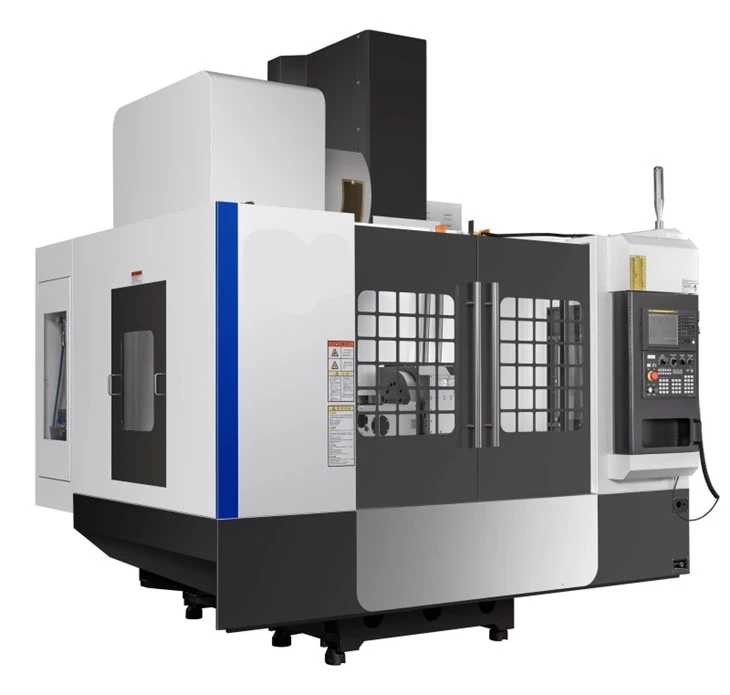

One of the main advantages of vertical lathes is their ability to handle large workpieces. The vertical orientation of the spindle allows for better support of the workpiece, reducing the risk of deflection and improving the accuracy of the machining. Vertical lathes are commonly used in industries such as mining, construction, and power generation.
Double Column Vertical Lathe
Double column vertical lathes are a type of vertical lathe that features two columns that support the crossrail. The crossrail can be moved vertically along the columns, allowing for the machining of tall workpieces. Double column vertical lathes are designed for heavy-duty machining applications and are commonly used in industries such as shipbuilding, aerospace, and energy.
One of the key advantages of double column vertical lathes is their high rigidity and stability. The two columns provide excellent support for the crossrail, reducing the risk of deflection and improving the accuracy of the machining. Double column vertical lathes are also capable of handling large workpieces with high precision.
Single-coordinate CNC Deep Hole Drilling Machine
Single-coordinate CNC deep hole drilling machines are specialized lathes that are designed for drilling deep holes in workpieces. These machines use a single-axis CNC control system to precisely control the drilling process. Single-coordinate CNC deep hole drilling machines are commonly used in industries such as automotive, aerospace, and oil and gas.
One of the main advantages of single-coordinate CNC deep hole drilling machines is their ability to drill deep holes with high precision. The CNC control system ensures that the drill bit is accurately positioned and that the drilling process is consistent. Single-coordinate CNC deep hole drilling machines are also capable of drilling holes with a small diameter, making them suitable for applications where space is limited.
CNC Horizontal Lathe
CNC horizontal lathes are a type of CNC lathe that have a horizontal spindle. The workpiece is mounted on a chuck or collet and rotates horizontally, while the cutting tool is mounted on a tool post that can be moved along the workpiece. CNC horizontal lathes are versatile machines that can perform a wide range of operations, including turning, facing, threading, and boring.
One of the key advantages of CNC horizontal lathes is their ability to produce parts with high precision and accuracy. The CNC control system allows for precise control of the cutting process, resulting in parts that meet the exact specifications of the design. CNC horizontal lathes are commonly used in industries such as automotive, aerospace, and medical.
Conclusion
In conclusion, there are many different types of lathes available on the market, each designed to meet specific machining needs. As a lathe supplier, I understand the importance of choosing the right lathe for the job. Whether you're looking for a simple engine lathe for small-scale machining or a high-tech CNC lathe for complex production, I can help you find the perfect machine for your needs.
If you're interested in learning more about our lathes or would like to discuss your specific machining requirements, please don't hesitate to contact us. Our team of experts is always available to provide you with the information and support you need to make an informed decision. We look forward to hearing from you and helping you take your machining operations to the next level.
References
- "Machining Fundamentals," Industrial Press Inc., 2017.
- "CNC Programming Handbook," CAMWorks, 2020.
- "Lathe Operations Manual," Haas Automation, 2021.