

Yo, folks! As a supplier of CNC tools, I'm often bombarded with questions about the accuracy of these bad boys. So, I thought I'd sit down and spill the beans on what the accuracy of CNC tools really means.
First off, let's get a basic understanding of what CNC tools are. CNC stands for Computer Numerical Control. These tools are controlled by a computer, which allows for a high level of precision in manufacturing processes. They're used in a wide range of industries, from automotive to aerospace, and even in the medical field.
Now, when we talk about the accuracy of CNC tools, we're referring to how closely the tool can produce a part that matches the design specifications. There are a few factors that can affect this accuracy, and I'll break them down for you.

Machine Precision
The first and most obvious factor is the precision of the CNC machine itself. A high - quality machine is built with better components and tighter tolerances. For example, the ball screws that control the movement of the cutting head need to be extremely precise. If the ball screws have even a tiny bit of play or inaccuracy, it can lead to errors in the final part.
Let's say you're using a CNC machine to create a small, intricate part for a watch. The machine needs to be able to move the cutting tool with micron - level precision. If the machine has a low level of precision, the part might end up being slightly larger or smaller than the design, or the features might not be in the right place.
Tool Wear
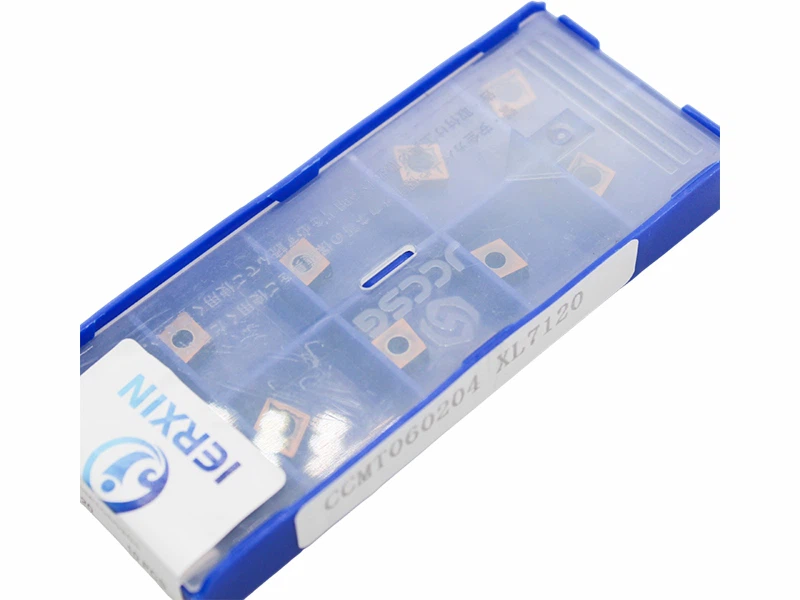
Another big factor is tool wear. Over time, as the CNC tool cuts through materials, it wears down. This can change the shape of the cutting edge, which in turn affects the accuracy of the cuts. For instance, if you're using a Single Tooth Cutting Tools to mill a piece of aluminum, the cutting edge will gradually dull. As it dulls, it might start to cut less precisely, leaving rough surfaces or inaccurate dimensions on the part.
To combat tool wear, it's important to monitor the tools regularly and replace them when they start to show signs of excessive wear. Some modern CNC machines even have sensors that can detect tool wear and alert the operator.
Material Properties
The properties of the material being cut also play a role in the accuracy of CNC tools. Different materials have different hardness, density, and thermal conductivity. For example, cutting a piece of hardened steel is much different from cutting a block of plastic.
Harder materials can cause more wear on the cutting tool and require higher cutting forces, which can lead to vibrations. These vibrations can affect the accuracy of the cuts. On the other hand, softer materials might be more prone to deformation during the cutting process. If the material deforms, the final part won't match the design specifications.
Programming and Calibration
The programming of the CNC machine and the calibration of the tools are crucial for accuracy. The program tells the machine how to move the cutting tool, so any errors in the programming can result in inaccurate parts. For example, if the wrong coordinates are entered for a hole - drilling operation, the hole will be in the wrong place.
Calibration is also key. The tools need to be correctly calibrated to ensure that they are cutting at the right depth and with the right amount of force. If a tool is not calibrated properly, it can lead to problems like over - cutting or under - cutting.
Measuring and Quality Control
Accuracy in CNC tools also depends on the measuring and quality control processes. After a part is machined, it needs to be measured to ensure that it meets the design specifications. This can be done using a variety of measuring tools, such as calipers, micrometers, and coordinate measuring machines (CMMs).
If a part is found to be out of tolerance, the cause needs to be identified and corrected. This might involve adjusting the machine settings, replacing a worn tool, or fixing a programming error.
Our Range of CNC Tools and Their Accuracy
At our company, we offer a wide range of CNC tools, each designed to provide high levels of accuracy. For example, our Superhard Material Cutting Tools are made from materials like diamond and cubic boron nitride (CBN). These materials are extremely hard and can maintain their cutting edge for a long time, which helps to ensure consistent accuracy, even when cutting hard materials.
Our Shank Planing Tools are precision - engineered to provide smooth and accurate cuts. They're designed with advanced geometries that reduce vibrations and improve chip evacuation, which also contributes to better accuracy.
Achieving Optimal Accuracy
To get the best accuracy out of CNC tools, it's important to take a holistic approach. This means investing in high - quality machines, using the right tools for the job, monitoring tool wear, and having a rigorous quality control process in place.
It's also a good idea to work closely with your tool supplier. We can provide you with the latest information on tool technology, tips on how to use the tools for maximum accuracy, and advice on tool selection based on your specific needs.
Why Choose Our CNC Tools for Accuracy?
When it comes to accuracy, our CNC tools have a few things going for them. First, we use the latest manufacturing techniques to ensure that each tool is made to the highest standards. Our quality control team checks every tool before it leaves the factory, so you can be sure that you're getting a reliable, accurate product.
Second, we offer a lot of support. If you have any questions about the accuracy of our tools or how to use them, our technical team is always ready to help. We can also provide training on how to get the most out of your CNC tools.
Let's talk!
If you're in the market for high - accuracy CNC tools, I'd love to have a chat with you. Whether you're a small - scale manufacturer or a large - scale industrial company, we have the tools and the expertise to meet your needs. Reach out to us, and let's start a conversation about how we can help you improve the accuracy of your manufacturing processes.
References
- "CNC Machining Handbook"
- "Tooling and Machining Technology"
- Various industry reports on CNC tool accuracy