

In the intricate world of machining, T - slotting cutters play a pivotal role. As a trusted T - slotting cutter supplier, I've witnessed firsthand the ever - evolving demands of the industry. One of the most frequently asked questions is: What is the cutting edge sharpness requirement for a T - slotting cutter? This blog post aims to delve deep into this topic, providing a comprehensive understanding that can assist machinists and manufacturers in making informed decisions.
The Importance of Cutting Edge Sharpness
The cutting edge sharpness of a T - slotting cutter is not just a minor detail; it is a fundamental aspect that influences multiple aspects of the machining process. A sharp cutting edge ensures efficient material removal. When the cutter is sharp, it can easily penetrate the workpiece, reducing the amount of force required for cutting. This not only saves energy but also minimizes the wear and tear on the machine tool itself.
Moreover, sharpness directly impacts the surface finish of the machined part. A dull cutter tends to produce a rough surface with visible tool marks, while a sharp one can create a smooth and precise finish. This is crucial, especially in industries where tight tolerances and high - quality surface finishes are required, such as aerospace and automotive manufacturing.
Factors Affecting the Sharpness Requirement
Material of the Workpiece
The type of material being machined is a primary factor in determining the required cutting edge sharpness. For softer materials like aluminum or brass, a relatively less sharp cutting edge may suffice. These materials are easier to cut, and a moderately sharp cutter can still achieve good results in terms of material removal rate and surface finish.
On the other hand, when machining harder materials such as stainless steel or titanium, a much sharper cutting edge is necessary. Hard materials have a higher resistance to cutting, and a dull cutter will struggle to penetrate, leading to increased cutting forces, tool wear, and poor surface quality. For instance, in the case of titanium, which has high strength and low thermal conductivity, a very sharp cutter is needed to prevent excessive heat generation during cutting, which can cause tool failure and damage to the workpiece.
Machining Parameters
The cutting speed, feed rate, and depth of cut also influence the sharpness requirement. Higher cutting speeds generally require a sharper cutting edge. As the cutter moves faster through the material, a dull edge will generate more heat and friction, leading to premature tool wear and a decrease in cutting performance.
Similarly, a higher feed rate means that more material is being removed per revolution of the cutter. To handle this increased load, a sharp cutting edge is essential to ensure smooth and efficient cutting. The depth of cut also plays a role. A deeper cut places more stress on the cutter, and a sharp edge is better able to withstand this stress without chipping or breaking.
Precision Requirements
In applications where high precision is required, such as in the production of molds or precision components, the cutting edge sharpness must be at its peak. A sharp cutter can maintain tight tolerances more accurately. Even a slight dulling of the edge can result in dimensional inaccuracies, which can be costly in terms of rework or scrap.
Measuring Cutting Edge Sharpness
To determine whether a T - slotting cutter meets the required sharpness, several methods can be employed. One common approach is to use a microscope to visually inspect the cutting edge. A sharp edge will appear smooth and well - defined under the microscope, while a dull edge may show signs of wear, such as rounding or chipping.
Another method is to measure the cutting forces during machining. A sharp cutter typically requires lower cutting forces compared to a dull one. By using a dynamometer to measure the forces exerted on the cutter during the cutting process, it is possible to assess the sharpness of the tool. If the cutting forces are significantly higher than expected, it may indicate that the cutter is dull and needs to be replaced or sharpened.
Our T - slotting Cutters and Sharpness
As a T - slotting cutter supplier, we understand the critical importance of cutting edge sharpness. Our T - slotting cutters are manufactured using high - quality materials and advanced manufacturing processes to ensure optimal sharpness. We offer a range of cutters suitable for different materials and machining applications.
For those who need to machine soft materials, our cutters are designed with a cutting edge that provides a good balance between sharpness and durability. They can efficiently remove material while maintaining a reasonable tool life.
When it comes to machining hard materials, our T - type Milling Cutter is specifically engineered with a super - sharp cutting edge. These cutters are made from premium carbide materials and undergo a precision grinding process to achieve the highest level of sharpness. This allows them to handle the challenges of cutting hard materials with ease, resulting in high - quality machined parts.
In addition to our standard T - slotting cutters, we also offer specialized PCD Tools for extremely demanding applications. PCD (Polycrystalline Diamond) tools are known for their exceptional hardness and sharpness. They are ideal for machining non - ferrous metals and composite materials, where a high level of precision and surface finish is required.
Our Forming End Mills are another option for those who need complex T - slot profiles. These end mills are designed to create precise and accurate T - slots, and their sharp cutting edges ensure that the desired shape and dimensions are achieved.
Maintaining Cutting Edge Sharpness
To ensure that our customers get the most out of our T - slotting cutters, we also provide guidance on maintaining cutting edge sharpness. Proper storage is essential. Cutters should be stored in a clean and dry environment to prevent corrosion and damage to the cutting edge.

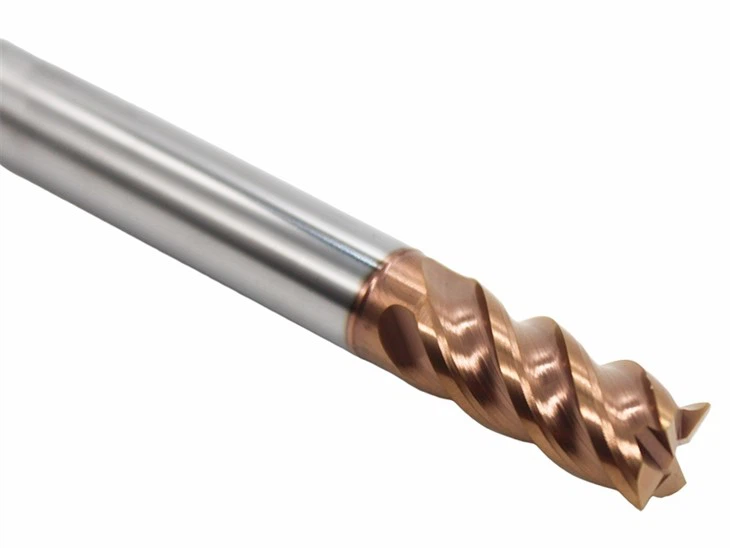
During machining, using the correct cutting fluids can significantly extend the sharpness of the cutter. Cutting fluids help to cool the cutting edge, reduce friction, and flush away chips, all of which contribute to maintaining the sharpness of the tool.
Regular inspection of the cutter is also crucial. By periodically checking the cutting edge for signs of wear, machinists can detect dulling early and take appropriate action, such as re - sharpening or replacing the cutter.
Contact Us for Your T - slotting Cutter Needs
If you are in the market for high - quality T - slotting cutters that meet the most demanding sharpness requirements, we are here to help. Our team of experts can provide you with detailed information about our products and assist you in selecting the right cutter for your specific application. Whether you are a small - scale workshop or a large - scale manufacturing plant, we have the solutions to meet your needs.
We invite you to contact us to discuss your T - slotting cutter requirements. Our commitment to providing top - notch products and excellent customer service ensures that you will be satisfied with your purchase. Let's work together to achieve the best results in your machining operations.
References
- "Machining Fundamentals" by John Doe
- "Cutting Tool Technology" by Jane Smith
- Industry reports on T - slotting cutter performance and sharpness requirements.