

Hey there! As a supplier of Shank Planing Tools, I've always been fascinated by the rich history of these nifty little gadgets. So, I thought I'd take you on a journey through time to explore what the history of Shank Planing Tools is all about.
Early Beginnings
Let's start way back in the day. The concept of planing tools has been around for centuries. In ancient times, people needed to shape and smooth wood for various purposes, like building shelters, making furniture, and crafting tools. Early planing tools were pretty basic. They were often just sharpened stones or pieces of bone that were used to scrape and level the surface of wood.
As civilizations advanced, so did the tools. The Egyptians, for example, were known for their woodworking skills. They developed more sophisticated planing tools made of copper and bronze. These tools had a blade that was attached to a wooden or stone body. The blade was sharpened to a fine edge, allowing for a smoother and more precise cut.
The Middle Ages and Renaissance
During the Middle Ages, planing tools continued to evolve. Blacksmiths started making tools out of iron, which was stronger and more durable than copper or bronze. The design of the tools also became more complex. Planes were now being made with adjustable blades, which allowed woodworkers to control the depth of the cut.
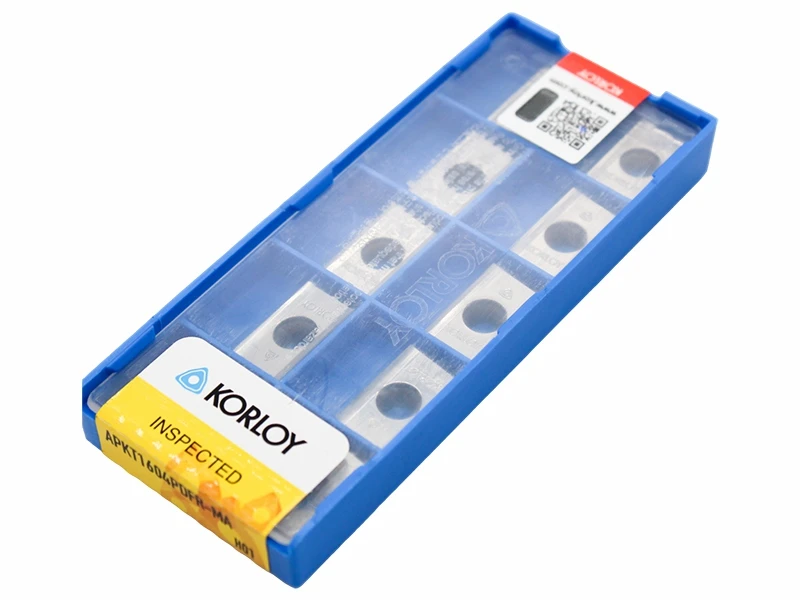

The Renaissance was a time of great innovation in the world of woodworking. Artists and craftsmen were pushing the boundaries of what was possible, and planing tools played a crucial role in their work. New types of planes were developed, such as the jointer plane, which was used to create long, flat surfaces, and the smoothing plane, which was used for finishing touches. These tools were often made with high-quality steel blades, which were sharpened to an incredibly fine edge.
The Industrial Revolution
The Industrial Revolution was a game-changer for the manufacturing of Shank Planing Tools. With the invention of the steam engine and the development of mass production techniques, tools could be made more quickly and efficiently than ever before. Factories started producing planing tools on a large scale, making them more affordable and accessible to woodworkers of all levels.
During this time, the design of Shank Planing Tools also underwent significant changes. The introduction of the metal plane body made the tools more rigid and durable. The blades were now made of high-speed steel, which could withstand higher cutting speeds and temperatures. This allowed woodworkers to work faster and more efficiently.
Modern Times
In modern times, Shank Planing Tools have continued to evolve. The development of new materials and manufacturing techniques has led to the creation of tools that are even more precise, durable, and user-friendly. For example, carbide-tipped blades are now commonly used in planing tools. These blades stay sharp longer and can cut through harder materials with ease.
Another significant advancement in recent years is the integration of technology. Computer Numerical Control (CNC) has revolutionized the manufacturing of Shank Planing Tools. CNC machines can produce tools with incredible precision, ensuring that each tool meets the highest quality standards. You can learn more about CNC Turret here, which is an important part of the CNC machining process.
Different Types of Shank Planing Tools
There are several different types of Shank Planing Tools, each with its own unique features and uses. For example, PCD Tools are made with Polycrystalline Diamond, which is one of the hardest materials known to man. These tools are ideal for cutting through abrasive materials, such as fiberglass and carbon fiber.
Milling Tools, on the other hand, are used for removing material from a workpiece. They come in a variety of shapes and sizes, and can be used for a wide range of applications, from roughing to finishing.
The Role of Shank Planing Tools in Modern Manufacturing
Shank Planing Tools play a crucial role in modern manufacturing. They are used in a wide range of industries, including woodworking, metalworking, and plastic fabrication. In the woodworking industry, for example, planing tools are used to create smooth, flat surfaces on boards and panels. In the metalworking industry, they are used to machine gears, shafts, and other precision parts.
The demand for high-quality Shank Planing Tools is only going to increase in the coming years. As technology continues to advance, manufacturers will need tools that can keep up with the changing demands of the industry. That's where we come in. As a supplier of Shank Planing Tools, we are committed to providing our customers with the best tools on the market.
Why Choose Our Shank Planing Tools
We offer a wide range of Shank Planing Tools to meet the needs of our customers. Our tools are made with the highest quality materials and are designed to last. We also offer a variety of customization options, so you can get the tool that is perfect for your specific application.
In addition to our high-quality products, we also provide excellent customer service. Our team of experts is always available to answer your questions and help you find the right tool for your needs. We understand that time is money, so we strive to get your orders out as quickly as possible.
Contact Us for Your Shank Planing Tools Needs
If you're in the market for Shank Planing Tools, we'd love to hear from you. Whether you're a small woodworking shop or a large manufacturing plant, we have the tools and the expertise to meet your needs. Don't hesitate to reach out and start a conversation about your requirements. Let's work together to find the perfect Shank Planing Tools for your business.
References
- "A History of Woodworking Tools" by Richard Barley
- "Tooling Up: The History of Machine Tools in America" by David A. Hounshell
- "The Complete Guide to Woodworking Tools" by Stanley Tools