

A CNC turret is a vital component in modern computer numerical control (CNC) machining centers, designed to hold and index multiple cutting tools. The tool holding mechanism in a CNC turret is a sophisticated system that ensures precise tool positioning, stability, and quick tool changes. As a leading CNC turret supplier, we understand the intricacies of these mechanisms and their importance in achieving high - quality machining results.
Types of Tool Holding Mechanisms
1. V - Block and Clamp System
The V - block and clamp system is one of the most common tool holding mechanisms in CNC turrets. In this system, the tool is placed in a V - shaped block, which provides two points of contact for the tool shank. A clamp is then used to secure the tool in place. The V - block design helps to center the tool accurately, reducing the chances of misalignment during machining. This mechanism is relatively simple and cost - effective, making it suitable for a wide range of applications.
For example, when using Surface Planing Cutter, the V - block and clamp system can hold the cutter firmly, allowing for smooth and precise surface planing operations. The clamp can be tightened or loosened easily, enabling quick tool changes when different cutting tools are required.
2. Collet Chuck System
Collet chucks are another popular tool holding option in CNC turrets. A collet is a sleeve - like device that grips the tool shank by applying a uniform radial force. When the collet is tightened, it contracts around the tool shank, holding it securely. Collet chucks offer high concentricity, which is crucial for achieving accurate machining results, especially in high - precision applications.
The collet chuck system is well - suited for holding small - diameter tools, such as those used in Milling Tools. It can provide a high level of gripping force, preventing the tool from slipping during high - speed machining operations. Additionally, collet chucks can be quickly changed, allowing for efficient tool indexing in the turret.
3. HSK (Hohlschaftkegel) System
The HSK system is a high - performance tool holding mechanism that has gained popularity in recent years. It features a hollow taper design, which provides both axial and radial contact between the tool holder and the spindle. This dual - contact design offers excellent stiffness and precision, making it ideal for high - speed and high - power machining.
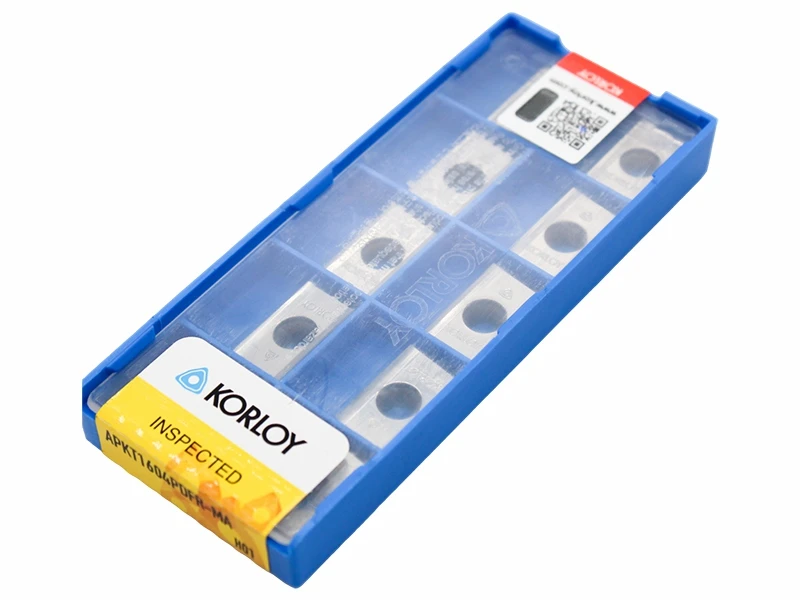
The HSK system is often used in applications where high cutting forces are involved, such as when using Indexable Tools. The system's ability to transmit high torque and maintain accurate tool positioning ensures that indexable inserts can perform at their best, resulting in improved machining efficiency and surface quality.
Key Features of an Effective Tool Holding Mechanism
1. Precision
Precision is of utmost importance in a tool holding mechanism. Any misalignment or inaccuracy in tool positioning can lead to poor machining quality, such as dimensional errors and rough surface finishes. An effective tool holding mechanism should be able to hold the tool with high precision, ensuring that it is accurately located in the turret and maintains its position during machining.
2. Stability
Stability is crucial for preventing tool vibration and chatter during machining. A stable tool holding mechanism can absorb cutting forces and prevent the tool from moving or deflecting, which can cause damage to the tool and the workpiece. This is particularly important in high - speed machining operations, where even small amounts of vibration can have a significant impact on the machining results.

3. Quick Tool Change
In a production environment, minimizing downtime is essential for maximizing productivity. A tool holding mechanism that allows for quick and easy tool changes can significantly reduce the time spent on tool setup and changeover. This enables the CNC turret to switch between different cutting tools rapidly, increasing the overall efficiency of the machining process.
4. Compatibility
The tool holding mechanism should be compatible with a wide range of cutting tools. Different machining operations may require different types of tools, such as drills, end mills, and turning tools. A versatile tool holding mechanism can accommodate various tool shank sizes and types, providing flexibility in tool selection.
Factors Affecting Tool Holding Performance
1. Tool Shank Quality
The quality of the tool shank has a direct impact on the performance of the tool holding mechanism. A tool shank with a smooth surface finish and accurate dimensions will fit better in the tool holder, ensuring a more secure grip. Any defects or irregularities in the tool shank can lead to poor tool holding and reduced machining accuracy.
2. Clamping Force
The clamping force applied by the tool holding mechanism is critical for holding the tool securely. Insufficient clamping force can cause the tool to slip during machining, while excessive clamping force can damage the tool shank or the tool holder. It is important to select a tool holding mechanism that can provide the appropriate clamping force for the specific tool and machining application.
3. Environmental Conditions
Environmental factors such as temperature, humidity, and the presence of coolant can also affect the performance of the tool holding mechanism. For example, high temperatures can cause thermal expansion, which may affect the fit between the tool shank and the tool holder. Coolant can introduce contaminants, which may corrode the tool holding components over time. Therefore, it is necessary to consider these environmental factors when selecting and maintaining the tool holding mechanism.
Maintenance and Care of Tool Holding Mechanisms
Proper maintenance and care of the tool holding mechanism are essential for ensuring its long - term performance. Regular cleaning of the tool holder and the tool shank can prevent the buildup of debris and contaminants, which can affect the tool holding performance. Lubrication of moving parts, such as clamps and collets, can also reduce wear and ensure smooth operation.
In addition, periodic inspection of the tool holding mechanism is necessary to detect any signs of wear or damage. Worn - out components should be replaced promptly to prevent further problems and ensure the continued accuracy and reliability of the tool holding system.
Conclusion
As a CNC turret supplier, we recognize the importance of a reliable and efficient tool holding mechanism in the machining process. The choice of tool holding mechanism depends on various factors, including the type of machining operation, the required precision, and the specific cutting tools used. Whether it is a V - block and clamp system, a collet chuck system, or an HSK system, each mechanism has its own advantages and is suitable for different applications.
By understanding the key features, factors affecting performance, and proper maintenance of tool holding mechanisms, manufacturers can optimize their machining processes and achieve higher productivity and better quality results. If you are interested in learning more about our CNC turrets and the tool holding mechanisms we offer, or if you have any specific requirements for your machining operations, please feel free to contact us for a detailed discussion and potential procurement opportunities.
References
- Smith, J. (2018). CNC Machining Handbook. Industrial Press.
- Jones, A. (2019). Tool Holding Technology in Modern Manufacturing. Machining Technology Journal.
- Brown, R. (2020). High - Performance Tool Holding Systems for CNC Machines. Manufacturing Insights Magazine.