

Hey there, fellow machining enthusiasts! I'm a supplier of modular cutting tools, and today I want to dig into a hot topic: Can modular cutting tools be used in precision machining?
Let's start by getting clear on what modular cutting tools are. They're basically a set of interchangeable components that can be put together in different ways to create a custom cutting tool for specific jobs. This flexibility is a game - changer. Instead of having a bunch of single - purpose tools taking up space in your workshop, you can mix and match components to fit various machining needs.
Now, precision machining is all about achieving extremely tight tolerances, high surface finishes, and accurate dimensions. At first glance, you might think that the modular nature of these tools could introduce some variability that would be a no - go for precision work. But that's not the whole story.
One of the biggest advantages of modular cutting tools in precision machining is the ability to quickly adapt to different tasks. Say you're working on a complex part with multiple features. With modular tools, you can swap out cutting heads or inserts in a flash. For example, if you need to switch from roughing to finishing operations, you don't have to waste time changing the entire tool. You just replace the appropriate component. This saves a ton of setup time, which is crucial in precision machining where every second counts.
Another great thing is the cost - effectiveness. Precision machining often involves using high - quality tools, and those can be pricey. Modular cutting tools allow you to invest in a core set of components and then only buy the specific inserts or heads you need for each job. This way, you're not spending a fortune on a bunch of specialized, single - use tools. It's like building a toolbox where you can add or remove pieces as your projects evolve.
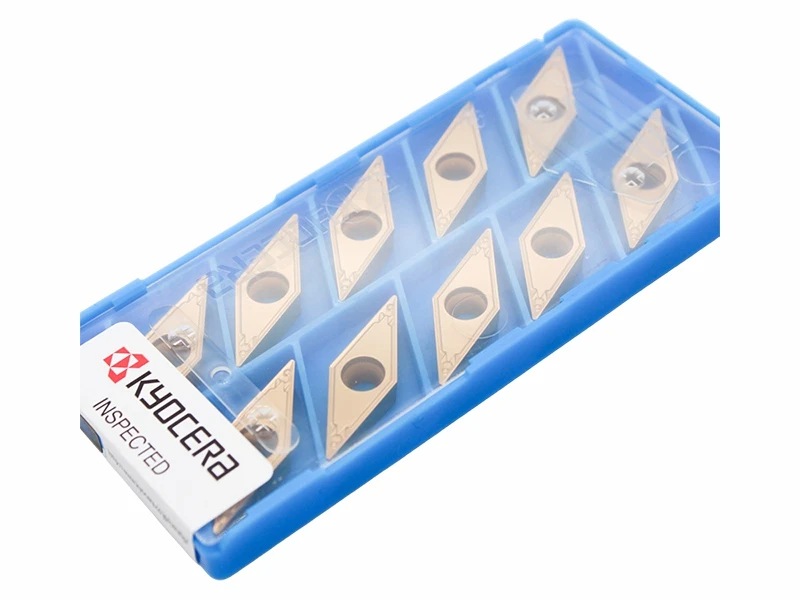

Let's talk about the accuracy aspect. Modern modular cutting tools are designed with extremely high precision. The interfaces between the different components are engineered to ensure a tight and stable connection. This means that once you've assembled your tool, it can maintain the accuracy required for precision machining. The inserts used in these tools are also made with advanced materials and manufacturing techniques, which can provide excellent cutting performance and dimensional stability.
Now, I want to give you some real - world examples of where modular cutting tools shine in precision machining. Take the aerospace industry, for instance. Aircraft parts require the highest level of precision. Modular cutting tools can be customized to machine complex shapes like turbine blades. They can handle the tough materials used in aerospace, such as titanium and nickel - based alloys, while maintaining the tight tolerances needed for these critical components.
In the medical device manufacturing field, precision is non - negotiable. From surgical instruments to implants, every part must be made with the utmost accuracy. Modular cutting tools can be used to machine small, intricate parts with high precision. You can create tools that are tailored to the specific geometries and materials of medical devices, ensuring a perfect fit and function.
If you're in the automotive industry, modular cutting tools are also a great choice. They can be used for machining engine components, transmission parts, and other high - precision elements. The ability to quickly change tool configurations means that you can adapt to different production runs and design changes without significant downtime.
When it comes to specific types of modular cutting tools, there are several that are well - suited for precision machining. One of them is the Live Tool Holder. These holders allow for more complex machining operations, such as milling and drilling, on a lathe. They can be easily integrated into a modular tool system, giving you greater flexibility in your precision machining processes.
Flat Turning Tools are another important type. They're designed for turning operations and can be customized with different inserts to achieve the desired cutting performance. Whether you're roughing or finishing a part, flat turning tools in a modular setup can provide the precision you need.
And then there's the CNC Turret. It's a key component in many CNC machining centers. A modular CNC turret allows you to store and quickly access a variety of cutting tools. This means that you can perform multiple operations in a single setup, which is essential for precision machining where minimizing setup time and maintaining accuracy are top priorities.
Of course, like any tool, modular cutting tools do have some considerations. You need to make sure that you're assembling the tools correctly. Improper assembly can lead to reduced accuracy and performance. Also, regular maintenance is important. Keeping the components clean and in good condition will ensure that your tools continue to perform at their best.
In conclusion, modular cutting tools are definitely a viable option for precision machining. Their flexibility, cost - effectiveness, and ability to maintain accuracy make them a great choice for a wide range of precision applications. Whether you're in aerospace, medical, automotive, or any other industry that requires high - precision machining, modular cutting tools can help you get the job done faster and more efficiently.
If you're interested in exploring modular cutting tools for your precision machining needs, I'd love to have a chat with you. We can discuss your specific projects and figure out the best tool solutions for you. Just reach out, and let's start this journey together to take your precision machining to the next level.
References
- "Modern Machining Technology" by John A. Schey
- "Precision Machining Handbook" by Peter S. Drozda