

Cubic Boron Nitride (CBN) tools have emerged as a revolutionary force in the machining industry, offering unparalleled performance and efficiency. As a leading CBN tools supplier, I am excited to delve into the fascinating world of how these remarkable tools work and the benefits they bring to various machining applications.
Understanding CBN: The Superhard Material
At the heart of CBN tools lies cubic boron nitride, a synthetic superhard material second only to diamond in hardness. CBN is created under high pressure and high temperature conditions, resulting in a crystal structure that provides exceptional wear resistance, thermal stability, and chemical inertness. These properties make CBN an ideal material for cutting tools used in high-speed machining of hard materials.
The Working Principle of CBN Tools
The working principle of CBN tools is based on the interaction between the cutting edge of the tool and the workpiece material. When the CBN tool comes into contact with the workpiece, the high hardness and sharp cutting edge of the CBN material enable it to penetrate and remove material efficiently. The cutting process involves several key mechanisms:
Shearing
The primary mechanism of material removal in CBN machining is shearing. As the cutting edge of the tool moves across the workpiece surface, it applies a high shear force to the material, causing it to deform and fracture along the shear plane. The sharp cutting edge of the CBN tool minimizes the deformation zone and reduces the cutting forces, resulting in a smooth and efficient cutting process.
Abrasion
In addition to shearing, abrasion also plays a role in the material removal process. The hard CBN particles on the cutting edge of the tool act as abrasives, wearing away the workpiece material and creating chips. The abrasion process is more prominent when machining hard and abrasive materials, such as hardened steels and high-temperature alloys.
Chemical Wear
Although CBN is chemically inert to most workpiece materials, chemical wear can still occur under certain conditions. At high cutting temperatures, the CBN material may react with the workpiece material or the cutting fluid, leading to the formation of chemical compounds on the cutting edge. This can cause the cutting edge to become dull and reduce the tool's performance. However, the high thermal stability of CBN helps to minimize chemical wear and extend the tool's lifespan.
Advantages of CBN Tools
CBN tools offer several significant advantages over traditional cutting tools, making them the preferred choice for many machining applications:
High Wear Resistance
The exceptional hardness of CBN material provides excellent wear resistance, allowing CBN tools to maintain their cutting edge for a longer period of time. This reduces the frequency of tool changes and increases productivity, especially when machining hard and abrasive materials.
High Thermal Stability
CBN tools can withstand high cutting temperatures without losing their hardness or integrity. This enables them to be used in high-speed machining applications, where traditional cutting tools may experience rapid wear and failure due to thermal softening.

Excellent Surface Finish
The sharp cutting edge of CBN tools and the efficient material removal process result in a superior surface finish on the workpiece. This reduces the need for secondary finishing operations and improves the overall quality of the machined parts.
Wide Range of Applications
CBN tools can be used to machine a variety of materials, including hardened steels, cast irons, high-temperature alloys, and composites. They are suitable for a wide range of machining operations, such as turning, milling, drilling, and grinding.
Applications of CBN Tools
CBN tools are widely used in various industries, including automotive, aerospace, energy, and general manufacturing. Some of the common applications of CBN tools include:
Flat Turning Tools
CBN flat turning tools are used for machining flat surfaces on cylindrical workpieces. They are commonly used in the automotive industry for machining engine components, such as crankshafts, camshafts, and pistons.
Modular Cutting Tools
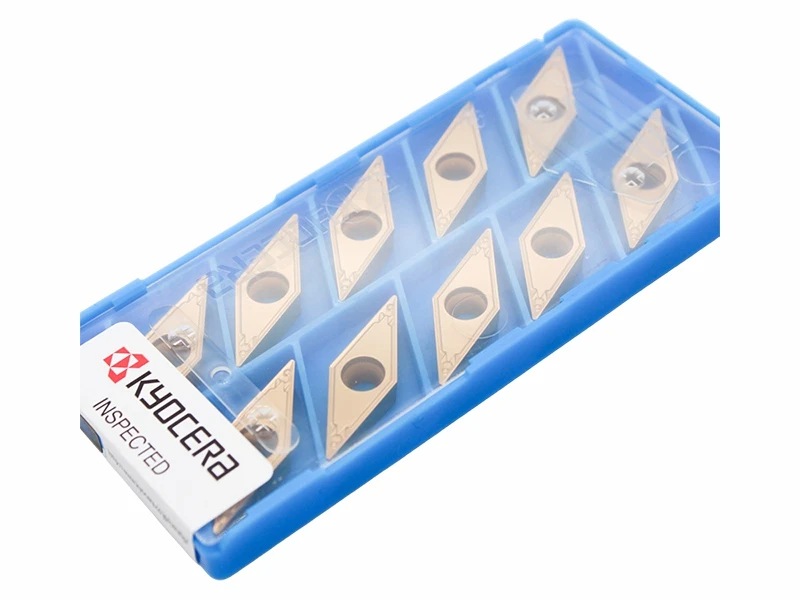
Modular CBN cutting tools consist of a tool holder and replaceable cutting inserts. They offer flexibility and cost-effectiveness, as the cutting inserts can be easily replaced when worn out. Modular CBN tools are used in a variety of machining operations, including turning, milling, and boring.
High Temperature Alloy Turning
High-temperature alloys, such as Inconel and titanium alloys, are widely used in the aerospace and energy industries due to their excellent mechanical properties at high temperatures. CBN tools are ideal for machining these materials, as they can withstand the high cutting temperatures and abrasive nature of the alloys.
Factors Affecting the Performance of CBN Tools
The performance of CBN tools is influenced by several factors, including the workpiece material, cutting parameters, tool geometry, and cutting fluid. Here are some key factors to consider when using CBN tools:
Workpiece Material
The hardness, toughness, and chemical composition of the workpiece material have a significant impact on the performance of CBN tools. Hard and abrasive materials require tools with higher wear resistance, while tough materials may require tools with better fracture toughness.
Cutting Parameters
The cutting parameters, such as cutting speed, feed rate, and depth of cut, should be carefully selected to optimize the performance of CBN tools. Higher cutting speeds can increase productivity, but they also generate more heat and may cause premature tool wear. Feed rate and depth of cut should be adjusted based on the workpiece material and the tool geometry to ensure efficient material removal and good surface finish.
Tool Geometry
The geometry of the CBN tool, including the rake angle, clearance angle, and cutting edge radius, affects the cutting forces, chip formation, and surface finish. The tool geometry should be designed to suit the specific machining application and workpiece material.
Cutting Fluid
The use of cutting fluid can improve the performance of CBN tools by reducing the cutting temperature, flushing away chips, and preventing chemical wear. The type of cutting fluid and its concentration should be selected based on the workpiece material and the machining operation.
Conclusion
CBN tools are a game-changer in the machining industry, offering superior performance, efficiency, and versatility. By understanding the working principle of CBN tools and the factors that affect their performance, manufacturers can make informed decisions when selecting and using these tools. As a CBN tools supplier, I am committed to providing high-quality products and technical support to help our customers achieve the best machining results. If you are interested in learning more about our CBN tools or discussing your specific machining needs, please feel free to contact us for a consultation. We look forward to working with you to optimize your machining processes and improve your productivity.
References
- "Cutting Tool Technology" by Peter Oxley
- "Machining of Advanced Materials" by Y. Altintas
- "Handbook of Machining with Grinding Wheels" by I. Inasaki