

Handling broken CNC tools safely is of utmost importance in any manufacturing or machining environment. As a CNC tools supplier, I understand the significance of providing guidance on this critical aspect to ensure the well - being of operators and the efficiency of the production process. In this blog, I will share some key steps and best practices for safely handling broken CNC tools.
1. Immediate Shutdown and Isolation
The moment a CNC tool breaks, the first step is to immediately shut down the CNC machine. This halts any further movement of the broken tool and reduces the risk of additional damage to the machine, workpiece, or other components. Once the machine is stopped, isolate the area around the machine to prevent unauthorized access. This can be done by using safety barriers or warning signs. For example, if a Boring and Milling Tools breaks during a milling operation, shutting down the machine promptly can prevent the broken pieces from flying out and causing harm to nearby workers.
2. Personal Protective Equipment (PPE)
Before attempting to handle the broken tool, operators must don appropriate personal protective equipment. This includes safety glasses to protect the eyes from flying debris, heavy - duty gloves to prevent cuts from sharp tool edges, and safety shoes to safeguard the feet from falling tool pieces. In some cases, depending on the nature of the machining process and the type of tool, additional PPE such as face shields or ear protection may also be required. For instance, when dealing with a broken TH Universal Milling Cutter, the sharp cutting edges can cause severe cuts, making gloves a must - have safety item.
3. Inspection of the Machine and Workpiece
After donning the appropriate PPE, carefully inspect the CNC machine and the workpiece. Look for any signs of damage caused by the broken tool. Check the tool holder, spindle, and other machine components for cracks, chips, or other forms of damage. Examine the workpiece to see if it has been damaged in any way. If the workpiece is damaged, it may need to be scrapped or re - worked. For example, if a broken tool has left scratches or gouges on the surface of a precision - machined part, it may affect the part's functionality and quality.
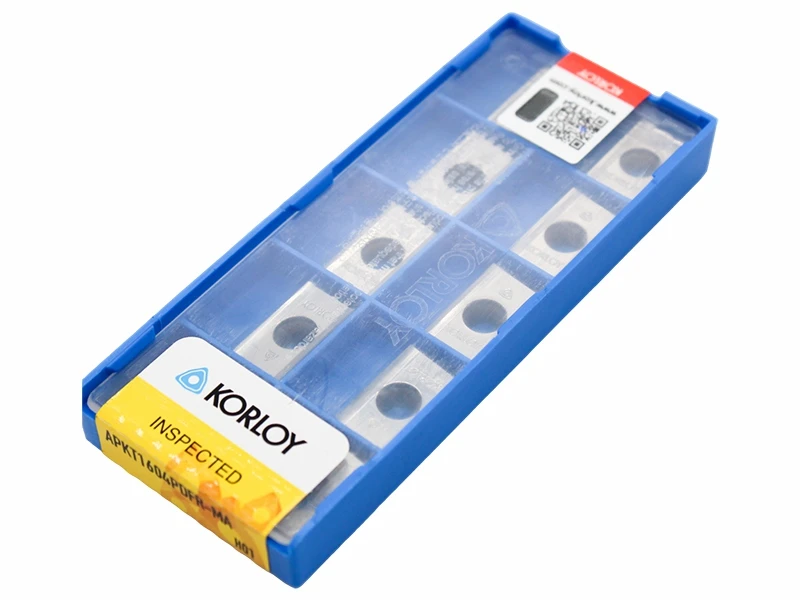

4. Tool Removal
When removing the broken tool from the machine, use the appropriate tools and techniques. Do not attempt to pull the broken tool out by hand, as this can lead to injuries. Instead, use specialized tool removal tools such as wrenches or pliers. If the broken tool is stuck in the tool holder, follow the manufacturer's instructions for tool holder disassembly. For example, some CNC machines have a tool - release mechanism that can be activated to safely remove the broken tool.
5. Collection and Disposal of Broken Tools
Once the broken tool is removed, collect all the tool pieces carefully. Place them in a designated container, preferably a metal container with a lid, to prevent the sharp edges from causing injuries during storage and transportation. Label the container clearly as "Broken CNC Tools" to avoid any confusion. When it comes to disposal, follow local environmental regulations. Some broken tools may contain hazardous materials such as carbide or cobalt, which need to be disposed of properly. Recycling is also an option for some types of tools, as it can help reduce waste and conserve resources.
6. Root Cause Analysis
After safely handling the broken tool, conduct a root cause analysis to determine why the tool broke. There could be several reasons for tool breakage, including incorrect tool selection, improper tool installation, excessive cutting forces, or worn - out tool components. By identifying the root cause, you can take steps to prevent similar incidents from occurring in the future. For example, if the tool broke due to excessive cutting forces, you may need to adjust the cutting parameters such as feed rate and spindle speed.
7. Training and Education
One of the most effective ways to ensure the safe handling of broken CNC tools is to provide comprehensive training and education to operators. Training should cover topics such as tool selection, installation, maintenance, and safe handling procedures. Operators should also be trained on how to recognize the signs of tool wear and impending tool breakage. Regular refresher courses can help keep operators up - to - date with the latest safety practices. For instance, a well - trained operator will be able to identify when a Milling Tools is approaching the end of its useful life and take appropriate action before it breaks.
8. Maintenance and Monitoring
Regular maintenance of CNC machines and tools is essential for preventing tool breakage. This includes cleaning, lubricating, and inspecting the machines and tools on a regular basis. Implement a preventive maintenance schedule to ensure that all components are in good working condition. Additionally, use monitoring systems such as tool wear sensors or vibration sensors to detect any abnormal tool behavior. These sensors can provide early warnings of potential tool breakage, allowing operators to take corrective action before a serious incident occurs.
9. Communication and Documentation
Effective communication is crucial in a manufacturing environment. When a tool breaks, communicate the incident to all relevant personnel, including supervisors, maintenance technicians, and quality control personnel. Document the details of the incident, including the time, date, type of tool, and any observed symptoms before the breakage. This documentation can be used for future reference, root cause analysis, and to improve overall safety and quality control measures.
10. Choosing the Right Tools
As a CNC tools supplier, I emphasize the importance of choosing the right tools for the job. Using the wrong tool can increase the risk of tool breakage. Consider factors such as the material being machined, the cutting parameters, and the required surface finish when selecting a tool. Our Boring and Milling Tools and Milling Tools are designed to meet the highest quality standards and are suitable for a wide range of machining applications. By choosing the right tools, you can reduce the likelihood of tool breakage and improve the efficiency of your machining operations.
In conclusion, safely handling broken CNC tools is a multi - faceted process that requires immediate action, proper safety precautions, root cause analysis, and preventive measures. By following the steps outlined in this blog, operators can minimize the risks associated with broken tools and ensure a safe and productive manufacturing environment. If you are in need of high - quality CNC tools or have any questions about tool safety, please feel free to contact us for a procurement discussion. We are dedicated to providing you with the best tools and support to meet your machining needs.
References
- "CNC Machining Handbook" by John Doe
- "Tool Safety in Manufacturing" by Jane Smith
- Industry standards and guidelines on CNC tool handling and safety.