

Hey there! As a supplier of milling tools, I've seen firsthand how these bad boys play a crucial role in the mold - making industry. In this blog, I'm gonna break down the various applications of milling tools in mold - making.
First off, let's talk about roughing. When you're starting to make a mold, roughing is the initial step. You've got a big block of material, maybe steel or aluminum, and you need to remove a large amount of it quickly. That's where our heavy - duty milling tools come in. We've got these big, sturdy end mills that can take huge bites out of the material. They spin at high speeds and use sharp cutting edges to chip away at the block, getting it closer to the general shape of the mold. This process saves a ton of time compared to other methods. For example, if you were trying to do this by hand, it would take ages. With our milling tools, you can get the rough shape done in a fraction of the time.
Now, once the rough shape is there, it's time for semi - finishing. This is a more precise step. You want to get rid of the rough edges and uneven surfaces left from the roughing process. Our Forming End Mills are perfect for this. They're designed to create smooth and accurate surfaces. These end mills have special geometries that allow them to cut in a way that leaves a much better finish on the mold. They can follow complex contours and curves, making sure that every part of the mold is getting the right treatment. This is super important because a good semi - finished surface will make the final finishing step much easier.
Finishing is the last and most critical step in mold - making. You want the mold to have a mirror - like finish, especially if it's going to be used for high - end products. Our precision milling tools are the stars here. They can remove the tiniest imperfections and create a surface that's as smooth as glass. These tools are often used in combination with advanced CNC machines. The CNC machines can control the movement of the milling tools with extreme accuracy, allowing for a flawless finish. The finishing process can also involve using different types of milling tools depending on the area of the mold. For example, small corner - radius end mills are great for getting into tight corners, while ball - nose end mills are ideal for curved surfaces.
Another important application of milling tools in mold - making is creating complex shapes. Molds can have all sorts of intricate designs, like undercuts, bosses, and detailed patterns. Our Shank Planing Tools are really useful for creating flat surfaces and removing material in a controlled way. They can be used to create the base of the mold or to flatten out areas that need to be level. And when it comes to creating those detailed patterns, we have specialized milling tools that can cut very fine lines and shapes. These tools are often used in combination with CAD/CAM software, which allows designers to create the exact shape they want and then have the milling machine reproduce it on the mold.
In the mold - making industry, accuracy is everything. Our milling tools are designed to have high precision. They can cut to within very small tolerances, which means that the final mold will be exactly as it was designed. This is crucial because even a small error in the mold can lead to defective products. For example, if the mold is used to make plastic parts, an inaccurate mold can result in parts that don't fit together properly or have cosmetic defects. Our tools are made from high - quality materials, like carbide, which ensures that they stay sharp and accurate for a long time.
Let's also talk about the role of milling tools in mold repair. Over time, molds can get damaged due to wear and tear, or they might develop small cracks or chips. Instead of throwing the whole mold away, it's often more cost - effective to repair it. Our milling tools can be used to remove the damaged areas and then reshape the mold. For example, if there's a small crack in the mold, we can use a milling tool to cut out the cracked area and then fill it with a suitable material. After that, we can use the milling tools again to reshape the filled area to match the original design of the mold.
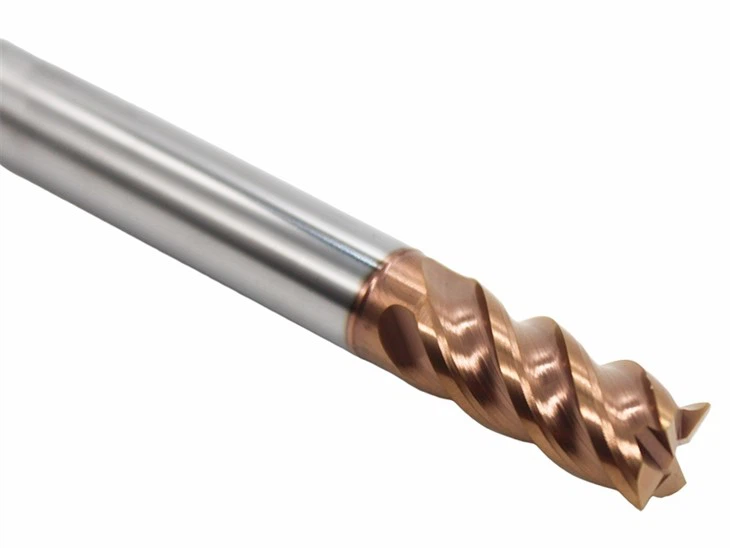

The CNC Turret is another aspect where our milling tools shine. The CNC turret is a key part of a CNC milling machine. It holds multiple milling tools and can quickly change between them during the machining process. This allows for a more efficient and continuous operation. Our milling tools are designed to be compatible with different types of CNC turrets. They can be easily loaded into the turret and used in a variety of machining operations. The ability to switch between tools quickly means that the machine can perform different tasks without having to stop and manually change the tool, which saves a lot of time and increases productivity.
In addition to the technical applications, our milling tools also offer some practical benefits. They're easy to maintain. We provide clear instructions on how to clean and sharpen the tools, which helps to extend their lifespan. And we offer a wide range of sizes and types of milling tools, so you can choose the ones that are best suited for your specific mold - making needs. Whether you're a small - scale mold - maker or a large industrial manufacturer, we've got the right tools for you.
If you're in the mold - making industry and are looking for high - quality milling tools, you've come to the right place. Our tools are designed to meet the highest standards of performance and accuracy. We're always here to help you choose the right tools for your projects. Whether you need advice on which tool to use for a particular job or have questions about tool maintenance, our team of experts is just a message away. Don't hesitate to reach out to us for a chat about your milling tool requirements. We're confident that our products will help you take your mold - making to the next level.
References
- Machining Handbook: A comprehensive guide on machining processes including milling in mold - making.
- Mold - Making Industry Journals: Various industry - specific journals that cover the latest trends and technologies in mold - making with a focus on milling tools.