

Hey there! As a supplier of T-slotting cutters, I often get asked about different technical aspects of these tools. One question that pops up quite a bit is about the helix angle of a T-slotting cutter and what it actually affects. So, let's dive right into it.
First off, what's the helix angle? Well, the helix angle of a T-slotting cutter is the angle formed by the cutting edge of the tool's flute and a line parallel to the cutter's axis. It plays a crucial role in how the cutter performs during the machining process.
Now, let's talk about the effects of the helix angle. One of the most significant impacts is on chip evacuation. A higher helix angle helps in better chip evacuation. When we're cutting, chips are produced, and if they aren't removed properly, they can cause a whole bunch of problems. They might get re-cut, which leads to poor surface finish and can even damage the cutter. With a high helix angle, the chips are more easily pushed out of the cutting area. Think of it like a spiral staircase - the steeper the spiral, the quicker you can move up or down. Similarly, a higher helix angle allows the chips to move out of the cutting zone faster.
Another aspect affected is the cutting force. A cutter with a higher helix angle generally results in lower cutting forces. When the cutting edge engages with the workpiece at a more gradual angle (due to the higher helix), it spreads out the cutting force over a longer period. This is beneficial because lower cutting forces mean less stress on the cutter and the machine. It can also lead to less vibration during the cutting process, which in turn improves the surface finish of the machined part.
On the flip side, a lower helix angle has its own set of characteristics. It provides more strength to the cutting edge. Since the cutting edge engages with the workpiece more directly, it can handle heavier cuts. This is useful when you're dealing with tough materials or need to remove a large amount of material quickly. However, the downside is that chip evacuation can be more of a challenge, and the cutting forces are generally higher.
Let's take a closer look at how the helix angle impacts different machining operations. In roughing operations, where the goal is to remove a large amount of material quickly, a lower helix angle might be preferred. The increased strength of the cutting edge allows for deeper cuts. But in finishing operations, where a smooth surface finish is crucial, a higher helix angle is often the way to go. The better chip evacuation and lower cutting forces help in achieving a high - quality surface.
Now, as a T-slotting cutter supplier, we understand that different customers have different needs. That's why we offer a wide range of cutters with varying helix angles. Whether you're working on a project that requires heavy roughing or delicate finishing, we've got the right tool for you.
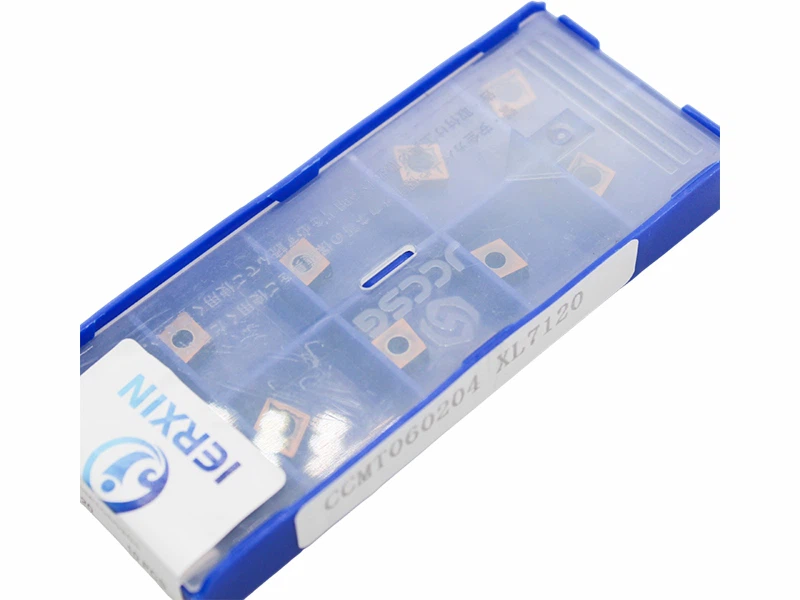
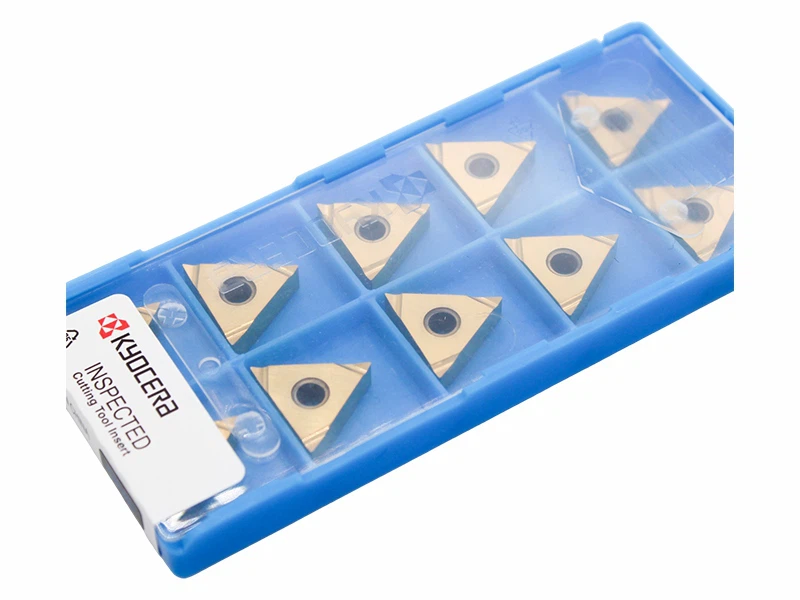
If you're also into other types of cutting tools, we've got you covered there too. For instance, if you're looking for Single Tooth Cutting Tools, we can provide high - quality options. These tools are great for specific machining tasks where precision is key. And if flat surfaces are your thing, our Flat Turning Tools are designed to give you smooth and accurate results. And for those threading operations, don't forget to check out our Thread Turning Tools.
We're always here to help you choose the right tool for your job. Whether you're a small workshop or a large manufacturing plant, we've got the expertise to assist you. We understand that the right helix angle can make a huge difference in the performance of your T-slotting cutter, and we're committed to providing you with the best tools possible.
If you're interested in purchasing T-slotting cutters or any of our other cutting tools, reach out to us. We can have a detailed discussion about your requirements, and together, we can find the perfect solution for your machining needs.
References
- Machining Handbook, Industrial Press Inc.
- "Cutting Tool Technology", Author Name, Publisher Name