

Hey there! As a supplier of milling tools, I often get asked about different aspects of these tools. One question that pops up quite a bit is about the rake angle of a milling tool and what it does. So, let's dive right in and break it down.
What is the Rake Angle?
The rake angle of a milling tool is the angle between the face of the cutting tool and a reference plane. Think of it as the slant or tilt of the cutting edge. It can be positive, negative, or zero, and each type has its own characteristics and uses.
A positive rake angle means that the face of the cutting tool slopes away from the cutting edge in the direction of chip flow. This type of rake angle is great for cutting soft materials like aluminum or plastics. It requires less cutting force, which in turn reduces power consumption and heat generation. With a positive rake angle, the chips flow smoothly off the tool, making the cutting process more efficient.
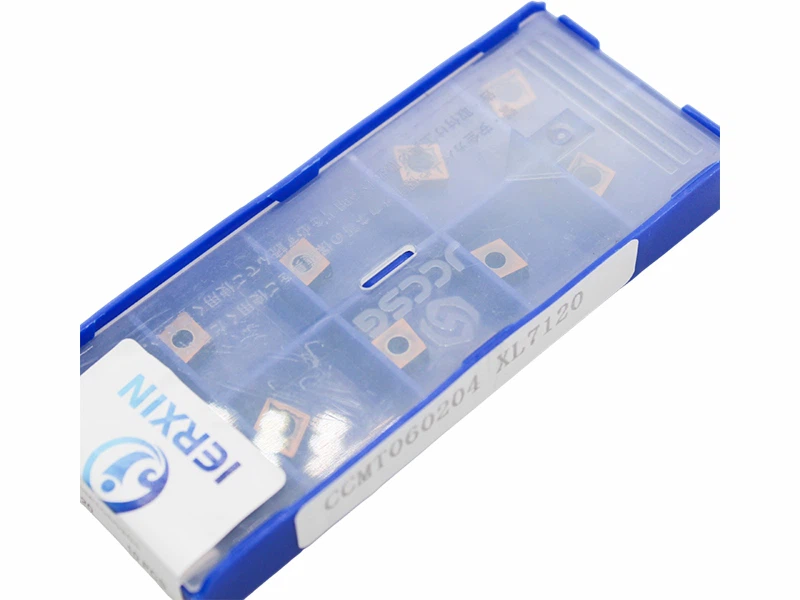

On the other hand, a negative rake angle has the face of the tool sloping towards the cutting edge. This gives the cutting edge more strength and durability. Negative rake angles are commonly used for cutting hard materials such as stainless steel or hardened steels. They can withstand the high forces and pressures involved in machining these tough materials without chipping or breaking easily.
A zero rake angle, as the name suggests, has the face of the tool perpendicular to the cutting edge. Zero rake angles are used in some specific applications where a balance between cutting force and edge strength is required.
The Function of the Rake Angle
Now that we know what the rake angle is, let's talk about its functions. The rake angle plays a crucial role in the cutting process, and here's how:
1. Chip Formation
The rake angle has a direct impact on how chips are formed during the cutting process. With a positive rake angle, the chips are formed more easily and tend to be thinner. This is because the tool can slice through the material more smoothly, pushing the chips away from the cutting edge. In contrast, a negative rake angle causes the chips to be thicker and more difficult to form. The tool has to push through the material with more force, which can lead to higher cutting temperatures and more wear on the tool.
2. Cutting Force
The rake angle also affects the cutting force required to machine the material. A positive rake angle reduces the cutting force because it allows the tool to penetrate the material more easily. This means that less power is needed from the machine, which can result in cost savings and less wear on the machine components. A negative rake angle, on the other hand, increases the cutting force. The tool has to work harder to cut through the material, which can put more stress on the machine and the tool itself.
3. Surface Finish
The surface finish of the machined part is another important factor influenced by the rake angle. A positive rake angle generally produces a better surface finish because it creates less friction between the tool and the material. The smooth chip flow also helps to prevent built-up edge formation, which can cause roughness on the machined surface. A negative rake angle may result in a rougher surface finish due to the higher cutting forces and more difficult chip formation.
4. Tool Life
The rake angle can significantly affect the life of the cutting tool. A positive rake angle reduces the stress on the cutting edge, which can extend the tool life. The lower cutting forces and better chip flow mean that the tool experiences less wear and tear. A negative rake angle, while providing more strength to the cutting edge, can also lead to faster tool wear due to the higher cutting forces and temperatures.
Choosing the Right Rake Angle
As a milling tools supplier, I often help customers choose the right rake angle for their specific applications. Here are some factors to consider when making this decision:
1. Material to be Machined
The type of material you're machining is one of the most important factors. Soft materials like aluminum or brass usually require a positive rake angle, while hard materials like titanium or hardened steels need a negative rake angle. If you're unsure, you can always consult with a machining expert or refer to the tool manufacturer's recommendations.
2. Cutting Conditions
The cutting conditions, such as cutting speed, feed rate, and depth of cut, also play a role in choosing the rake angle. Higher cutting speeds and feed rates may require a more robust tool with a negative rake angle to withstand the increased forces. Lower cutting speeds and feed rates may allow for a positive rake angle to achieve a better surface finish.
3. Machining Operation
The type of machining operation you're performing, such as roughing or finishing, can also influence the rake angle selection. Roughing operations typically require a tool with a negative rake angle to remove large amounts of material quickly. Finishing operations, on the other hand, may benefit from a positive rake angle to achieve a smooth surface finish.
Our Range of Milling Tools
At our company, we offer a wide range of milling tools with different rake angles to suit various applications. Whether you need Boring and Milling Tools for precision machining or Single Tooth Cutting Tools for specific cutting tasks, we've got you covered. Our tools are made from high-quality materials and are designed to provide excellent performance and long tool life.
We also have a selection of CNC Turret tools that are compatible with different CNC machines. These turrets offer quick and easy tool changes, which can improve productivity and reduce downtime.
Contact Us for Your Milling Tool Needs
If you're in the market for milling tools or have any questions about rake angles or our products, don't hesitate to get in touch with us. We have a team of experts who can help you choose the right tools for your specific requirements. Whether you're a small shop or a large manufacturing facility, we can provide you with the solutions you need to achieve the best results in your machining operations.
References
- Smith, J. (2020). Fundamentals of Machining. Machining Press.
- Johnson, R. (2019). Cutting Tool Technology. Tooling Publications.